
Event research Notion present FIRST FIFTY: Girl Tones + Saint Clair + Ain't
Notion present FIRST FIFTY: Girl Tones + Saint Clair + Ain't tickets are on sale right now.
Are Notion present FIRST FIFTY: Girl Tones + Saint Clair + Ain't tickets likely to be profitable in London?
There are 0 presales for this event.
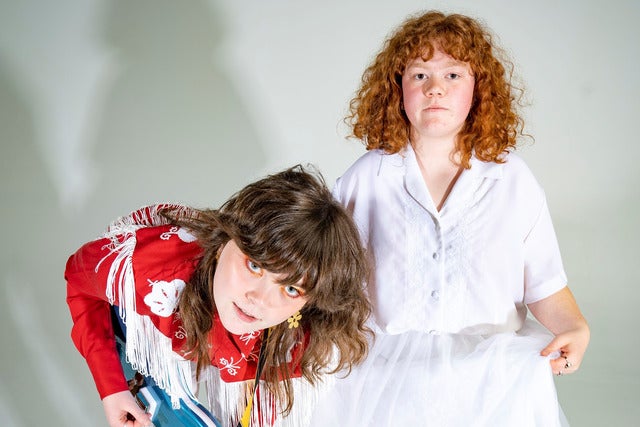
Notion present FIRST FIFTY: Girl Tones + Saint Clair + Ain't
The Victoria
London
Nov 13 Thu • 2025 • 7:00pm
Alternative | Rock
Ai Ticket Reselling Prediction
Sign Up to get artificial intelligence powered ticket reselling predictions!
Using artificial intelligence, concert attendance stats, and completed sales history for ticket prices on secondary market sites like Stubhub, we can predict whether this event is hot for resale. The Ai also considers factors like what music genre, and what market the concert is in.

Shazam is a music app that helps you identify the music playing around you. The more times an artist gets Shazamed, the higher this score will be, which should give you an idea of the popularity of this artist. Scores are ranked on a scale of 1 to 5. Learn more

Google Trends shows how popular a search query is for an artist. The more popular the artist is and the more people that are Googling them, the higher this score will be. Scores are ranked on a scale of 1 to 5. Learn more
200
Capacity
Notion present FIRST FIFTY: Girl Tones + Saint Clair + Ain't at the The Victoria, London
Tour Schedule
Notion present FIRST FIFTY: Girl Tones + Saint Clair + Ain't
4 similar events found
| Event Date | Event | Venue | Capacity | Location | Report |
|---|---|---|---|---|---|
| May 26 Tue • 2026 • 7:30pm | Ain't | YES Basement |

|
Manchester |  |
| May 27 Wed • 2026 • 7:30pm | Ain't | Social, The |
|
London | |
| May 31 Sun • 2026 • 12:00pm | Outside Days | Auraria Campus | Denver, CO | |
|
| Jun 14 Sun • 2026 • 12:00pm | Bonnaroo Music + Arts Festival | Great Stage Park |
|
Manchester, TN | |
Watch on YouTube
Listen on iTunes
Wikipedia Bio
Ain't is a negative inflection for am, is, are, has, and have in informal English. In some dialects, it is also used for do, does, did, and will. The development of ain't for the various forms of be, have, will and do occurred independently, at different times. The use of ain't for the forms of be was established by the mid-18th century and for the forms of have by the early 19th century.
The use of ain't is a continuing subject of controversy in English. It is commonly spoken in informal settings, especially in certain regions and dialects. It is often highly stigmatized and is often understood as a marker of low socio-economic or regional status or education level. It is generally considered non-standard by dictionaries and style guides except when used for rhetorical effect.
Source: Wikipedia